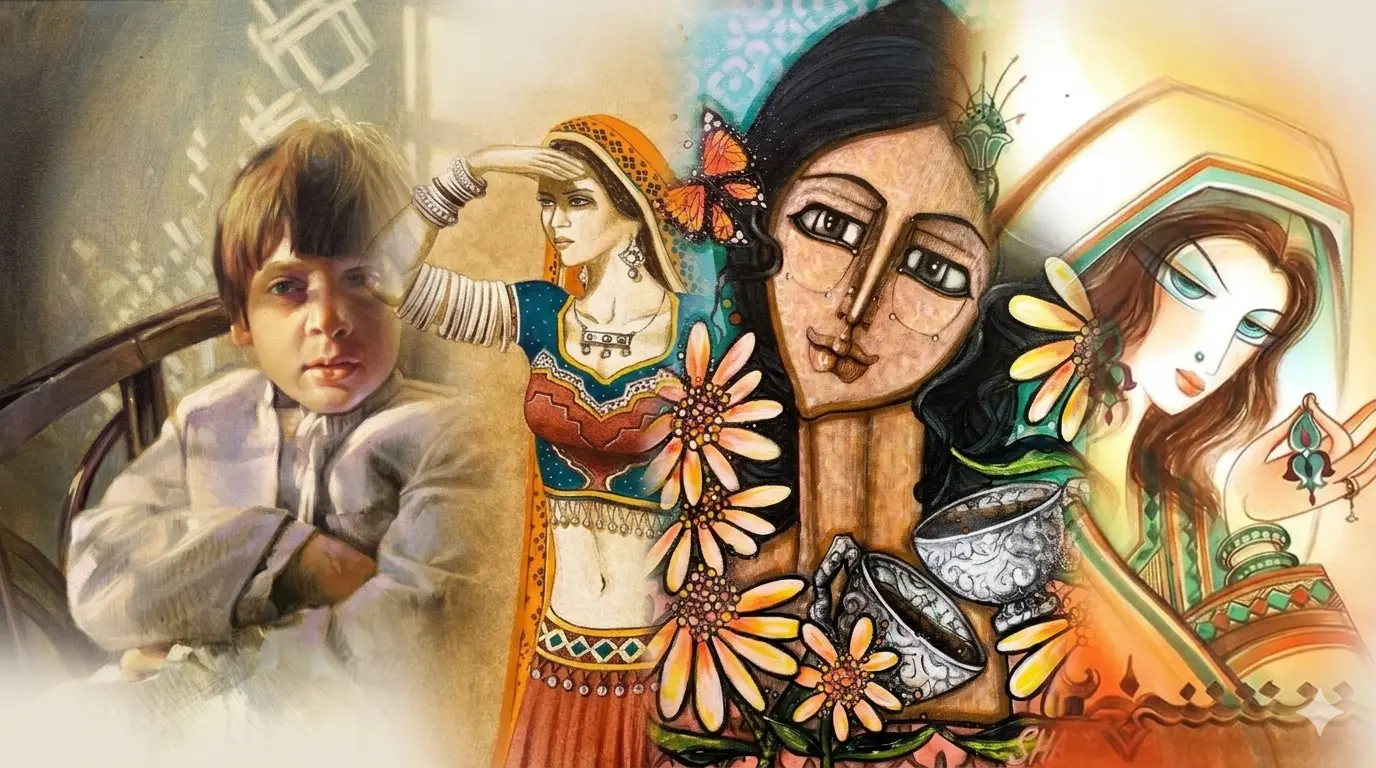

Walk into a room where a painting of a person hangs on the wall and something shifts. There is a presence there that a landscape or abstract work rarely creates in the same way. A face looks back at you. An expression holds your attention. You find yourself wondering about the person, their life, their story. Paintings of people have held this power across every culture and every period in art history, and that power has never faded. In this blog we will explore what makes human subjects so compelling in art, the different styles and traditions within this genre, and how to bring paintings of people into a modern Pakistani home with real intention and confidence.
Why the Human Figure Has Always Been Art’s Most Powerful Subject
There’s a natural reaction to the human face in a painting. We’re built to read faces, to spot emotion in the way a person carries himself or looks out at the world. Paintings of people appeal directly to that sense. This is why they grab the attention like few other subjects can.
Human figure art is the oldest and most explored category in painting history. A painting of a person communicates emotion, tells a story, and carries identity all at once. For a collector or a homeowner, choosing a human subject for their wall is never just a decorative decision. It is a deeply meaningful one.
What Human Painting Art Tells Us About the Era It Was Made In
One of the most fascinating things about human painting art is how much it reveals about the time it was made in. Clothing, posture, expression, and setting all carry information about the social values of a particular period. A Renaissance portrait communicates wealth and status through every detail of fabric and gesture. A Mughal miniature places its figures in garden settings that reflect a specific vision of courtly beauty.
Human paintings from different eras do not just look different in style. They communicate entirely different ideas about how people saw themselves and each other. Contemporary Pakistani figurative painting has its own conversations around identity, gender and cultural belonging, making it a rich area for local collectors to engage.
Portrait Paintings: The Art of Capturing a Person Beyond Their Likeness
A great portrait is never just about accurate similarities. The best portrait paintings succeed because they go beyond the surface of a face and reach something deeper: personality, emotional state, and inner life. That depth is what separates a truly exceptional portrait from a competent one.
That is the psychological aspect that makes it last as a collecting category of portraits art. The great portrait painters understood that they were making a study of another human being, not just a document. That is why standing in front of a Rembrandt self-portrait feels like a meeting rather than simply an observation.
What Is a Portrait Painting in Art and How Is It Classified?
In galleries and collections, portrait paintings are categorized by format, medium, and intention. The format varies from bust portraits (head and shoulders only) to half, three-quarter and full-length compositions. Medium of art portraits: oil on canvas, watercolor, pencil. Intentional portraits may be commissioned works, self portraits, or conceptual works where appearance is of less importance than some artistic idea.
How Many Types of Portrait Painting Are There?
Portrait paintings cover more ground than most people realize. The main types collectors come across include:
- Bust portraits showing the head and shoulders, the most close and direct format
- Half-length and three-quarter portraits that include the hands and upper body, adding gesture and personality
- Full-length portraits that show the entire figure along with environmental setting
- Group portraits where the relationships between figures become part of the story
- Self-portraits where the artist looks inward
- Environmental and conceptual portraits where identity and idea matter as much as physical similarity
People paintings in each of these formats create a completely different viewing experience for the collector.
Contemporary Portrait Painting: How the Genre Looks Today
Contemporary portrait painting looks very different from the formal commissioned portraits of previous centuries. Today’s figurative artists work with looser brushwork, psychological intensity, and a much wider range of subjects and personal narratives. The focus has shifted from projecting social status to exploring personal identity and weakness.
People art today challenges the old conventions of portraiture while staying connected to its core purpose: to look closely at another human being and find meaning there. For collectors who want something that feels alive and relevant rather than traditional, contemporary portrait painting offers some of the most exciting work being made right now.
Canvas Portrait Painting: Why the Medium Still Feels the Most Intimate
There is a reason canvas portrait painting remains the most collected format for human subjects. Oil or acrylic on canvas brings a physical warmth and texture to a figure that works on paper rarely match. The surface catches light differently at different times of day, which gives the work a subtle sense of presence.
Human paintings on canvas also suit the scale of most Pakistani drawing rooms very naturally. A large format canvas portrait painting can anchor an entire wall and change the feeling of a room completely. Even a medium-sized portrait on canvas creates a point of focus that prints and reproductions can’t touch.
People Paintings Beyond Portraiture: Figures in Scene and Narrative
Not all people paintings focus on an individual subject. Some of the most compelling figurative works place people within a scene: a busy market, a quiet domestic interior, a religious gathering, or a moment of celebration. These narrative figure works tell a different kind of story from a formal portrait. They are about community, culture, and shared human experience.
Pakistani collectors are drawn to people art which show scenes from daily life and feel their own world of culture is reflected in the work. A painting of a bazaar scene or a family gathering connects the viewer to something familiar and personally meaningful.
Human Figure Art in Pakistani Painting: Voices Worth Collecting
Pakistan has a strong and growing tradition of figurative painting, much of it emerging from institutions like the National College of Arts in Lahore. Pakistani artists use human figure art to explore themes including gender identity, spiritual experience, and the tension between tradition and modernity.
Collecting art by Pakistani artists is both culturally meaningful and increasingly smart from a market perspective. The local art scene is gaining visibility and value, and original figurative works by Pakistani painters are among the most important collecting opportunities in the region. Expert Framing Art Gallery in Karachi offers a curated selection of Pakistani figurative works for collectors looking to engage with this tradition seriously.
Abstract People Painting: When the Figure Becomes Feeling
Abstract people painting works with the human form as a starting point and then changes or suggests it rather than making it precisely. The result is a kind of emotional truth that realistic portraiture sometimes cannot reach.
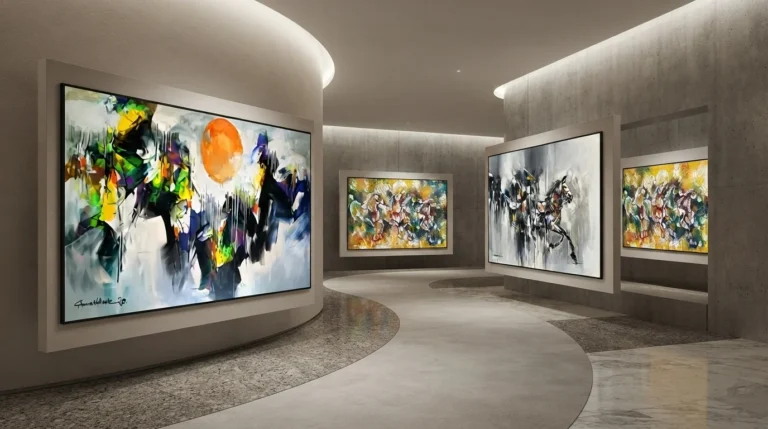
Abstract art people compositions rely on gestural marks to suggest a body and color fields to suggest emotional states. Abstract people painting is a truly compelling alternative for collectors who want emotional connection of human subject matter without the detail of realistic portraiture.
How Abstract Art People Works in Contemporary Pakistani Interiors
Abstract art people works very naturally in contemporary Pakistani apartments with clean lines and neutral walls. Abstract people paintings are very versatile as they are emotionally rich but not specific to any one decor style. Muted tones make this gestural figurative work a great pairing for most any wall color.
To frame, matte black or dark walnut float frames work well with most abstract figurative work without competing. Expert Framing Art Gallery assists collectors in selecting the appropriate frame for abstract and modern figurative works to display the piece at its best.
Choosing and Displaying Paintings of People in Your Home
There are a few practical things that come into play when choosing the right paintings of people for a given room. The first issue is scale. A large figurative work on a small wall can seem too much. A little portrait on a big wall feels lost. The emotional tone of the work must also be compatible with the mood of the room. A drawing room is for a formal portrait. A softer figurative piece would be better in a bedroom. A narrative scene is good in a dining room or a hallway.
Canvas portrait painting gives the most flexibility in terms of scale and placement. For color, most figurative works sit naturally against neutral walls. Expert Framing Art Gallery offers custom framing consultations to help collectors present their figurative works in the most effective and visually confident way possible.
Frequently Asked Questions About Paintings of People
Q: What are paintings of people called?
Paintings of people fall under several categories. When focused on an individual they are called portrait paintings. When showing figures in a scene they are called figurative or figure paintings. The broader collecting category is generally referred to as figurative art or people art.
Q: What is a human painting called?
A human painting is most commonly called a figurative painting or figure painting. When the focus is specifically on an individual’s face and identity it becomes a portrait. The broader category covering all human paintings is called figurative art or human figure art in gallery and collecting settings.
Q: What are art people called?
In art terminology, people art as a subject is referred to as figurative subjects. Artists who specialize in painting human subjects are called figurative artists or portrait painters. Their works fall under people art, figurative art, or portrait paintings depending on their specific approach and intent.
Q: What are some famous paintings of people?
Some of the most celebrated paintings of people include the Mona Lisa by Leonardo da Vinci, Girl with a Pearl Earring by Vermeer, and Rembrandt’s self-portraits. In contemporary art, Lucian Freud and Jenny Saville are known for psychologically intense human paintings that have redefined portrait painting.
Q: What is a portrait painting in art?
In art, a portrait is a work whose primary purpose is to show a specific person, showing not just their physical appearance but also their personality and identity. Portrait paintings have been central to art history across cultures and remain one of the most collected categories in fine art today.
Q: What art style is portrait?
Portrait is not a single art style but a genre that appears across many styles. Portrait paintings exist in realism, impressionism, expressionism, and abstraction. A contemporary portrait painting may be loosely gestural and a classical portrait is exactly rendered, but both are portraits because of their subject matter.
Q: How many types of portrait painting are there?
There are several recognized types of portrait paintings: bust portraits, half-length, three-quarter, and full-length portraits, group portraits, self-portraits, environmental portraits, and conceptual portraits. Contemporary portrait painting has expanded this list further with abstract and mixed-media approaches that challenge the traditional definition.
Q: What makes contemporary portrait painting different from classical portraiture?
Contemporary portrait painting prioritizes psychological depth and personal narrative over formal similarity or social status. Classical portrait paintings were often commissioned to project power and wealth. Today’s portrait artists examine exposure and cultural identity, and as a result contemporary portrait painting has become a far more personal and emotionally direct art form.
Q: How should I display canvas portrait painting in my home?
Canvas portrait painting works best as a single major piece, not as part of a crowded gallery wall. Hang it at eye level, approximately 57 inches from floor to the center of the work. Expert Framing Art Gallery offers custom framing consultations for paintings of people of all sizes and styles.
Q: Where can I buy original paintings of people in Pakistan?
Expert Framing Art Gallery in Karachi offers a curated collection of original paintings of people including portrait paintings and people art by established and emerging Pakistani artists. Custom framing is also available. Browse the collection online or visit the gallery in person. Delivery is available across Pakistan.
Why Paintings of People Remain the Most Compelling Art You Can Own
Paintings of people remain a collecting category because nothing else in art provides the same direct human connection. A great piece of figurative work can change the mood of a whole room. It has a presence, a story, a gaze that meets yours every time you walk past it. Whether it is classical portrait, contemporary portrait painting, or abstract people paintings, the impulse behind the work is always the same: to look at another human being and find something true there. Collecting paintings of people means sharing your living space with art that looks back at you, and that is a rare and genuinely powerful thing to live with every day. For original figurative works and professional framing in Pakistan, Expert Framing Art Gallery in Karachi is a trusted name among collectors and art lovers who take this genre seriously.