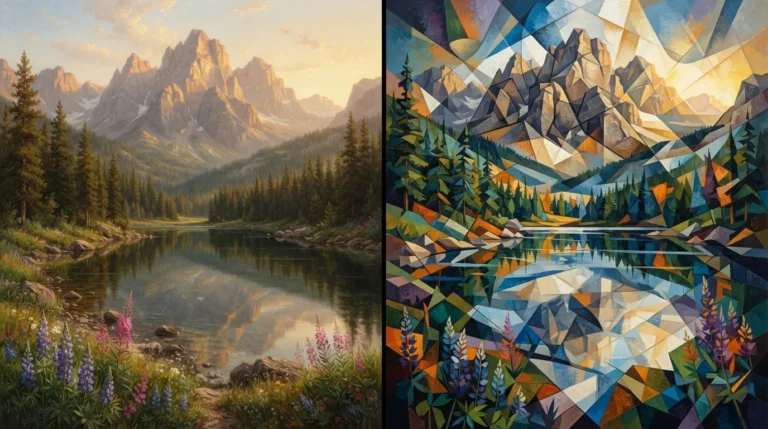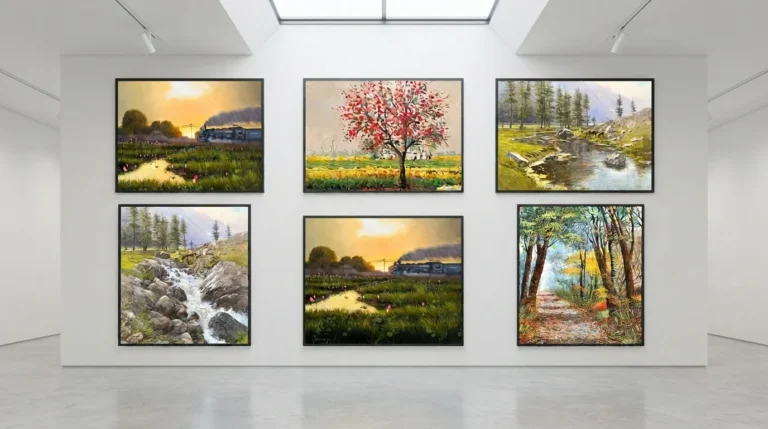
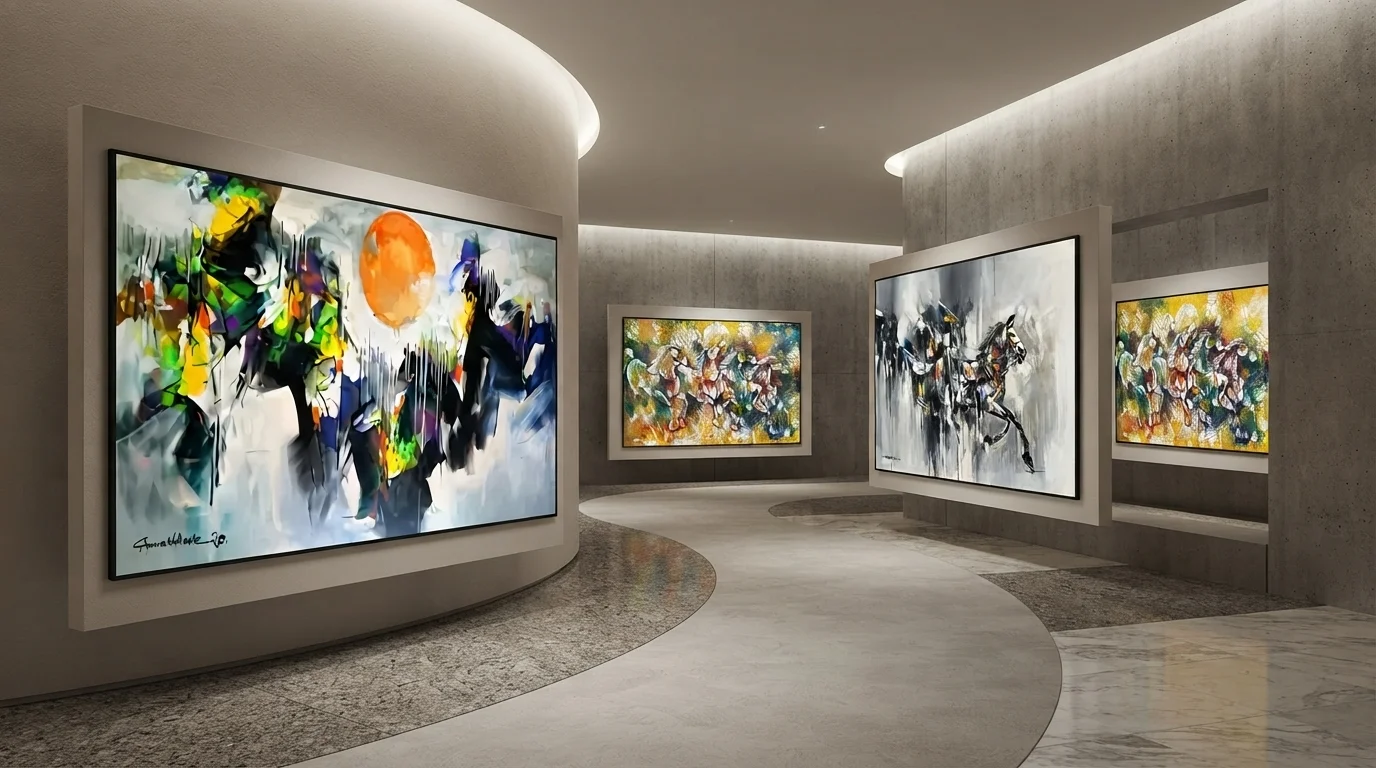

Horses have a special kind of energy in art. Freedom, raw power, a grace that has inspired artists across centuries and cultures. Realistic horse paintings faithfully capture that beauty, but for many modern buyers they seem predictable. An abstract horse painting takes the same subject and turns it into something more emotionally charged and visually different. In this blog we explore what abstract horse paintings are, the symbolism that makes the horse such a compelling subject for abstract treatment, the techniques artists use and how to choose and style these works in a contemporary home.
What Is an Abstract Horse Painting?
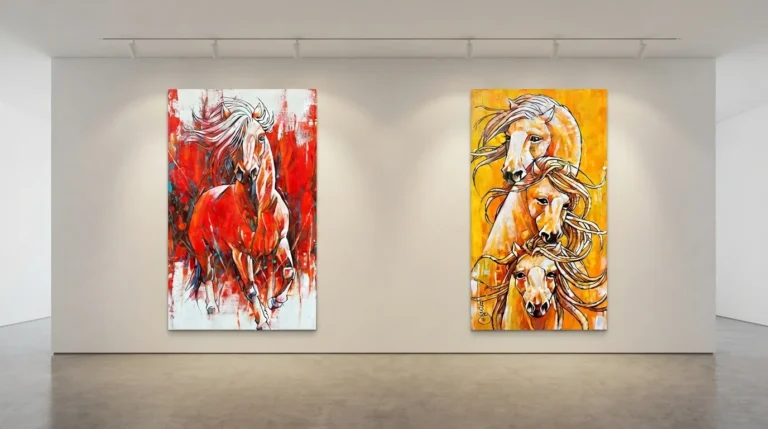
The abstract horse painting moves away from realistic depiction and instead seeks to capture the spirit, energy and movement of the horse using an expressive visual language. The horse may still be recognisable, but the artist is not trying to render it accurately. Proportion may be distorted. Detail may be stripped away. What is left is the essential feeling of the animal and not its physical appearance.
Artists working in this style use colour, gesture and form to communicate what the horse means rather than what it looks like. A swirl of dark brush strokes may hint at a galloping horse, without actually depicting one. Bold colour fields can convey the warmth and power of the animal without a single anatomically accurate detail. This expressive approach is what gives horse abstract painting its unique energy.
What Makes a Horse Painting Abstract?
When the artist prioritizes expressive form and emotional content over accurate representation, a horse painting becomes abstract. The visible brushstrokes, distorted proportions, simplified or gestural outlines and non-realistic colour choices all point to an abstract rather than a realistic approach to horse art.
The Symbolism Behind Horse Art
Horse art is a popular subject because it’s packed with centuries of symbolism. Horses have been a symbol of freedom and wild energy across cultures. In the tradition of Islamic art, the horse is associated with nobility and spiritual power. Horses have served as symbols of conquest, beauty and the link between humanity and the natural world in Western painting. The associations are deep so that viewers of different cultural backgrounds find horse imagery very meaningful.
Abstract treatment does not diminish the symbolism but rather enhances it. A horse without realistic detail is the essence itself. The viewer responds to the idea of the horse, its freedom, its movement, its strength, rather than to an accurate picture of one. This is why abstract horse art often touches us further than a technically perfect realistic painting of a horse.
Styles and Techniques Used in Abstract Horse Art
Abstract horse art manifests it in many visual forms. Some artists use loose and gestural brushwork that suggests movement in a few precise strokes. Others work to create thick layers of texture and colour which build a physical richness on the surface of the canvas. Still others reduce the horse to minimal line work that suggests form with extraordinary economy.
Horse abstract art and horse paintings abstract as categories have the same intention in mind, to capture the spirit of the subject in an expressive way, not in a faithful documentation. The specific technique reflects the personal style of the individual artist and the emotional atmosphere he wants to give the work.
Techniques and styles commonly used in abstract horse paintings:
- Canvas surface covered in bold, expressive brushstrokes to represent speed and movement
- Colour blocking for visual impact & to suggest the horse’s muscular form without detail
- Minimalist line work with very few marks to capture the essential shape and posture of the horse
- Layer texture using palette knives or mixed media to create physical depth and energy
- Mixed media approaches with paint and texture pastes or other materials for surface richness
What Techniques Do Artists Use in Abstract Horse Paintings?
Abstract horse paintings are often made with expressive brushwork, gestural mark-making, layered colour and sometimes mixed media applications. What matters to artists is not anatomical accuracy but movement, energy and emotional presence, and they employ techniques which allow the spirit of the horse to emerge through the surface rather than its physical form.
Abstract Horse Paintings on Canvas: What to Look For
Abstract horse painting on canvas benefits from the texture and presence that canvas provides. Canvas holds paint in ways that paper or board simply cannot, allowing brushstrokes and palette knife marks to sit with a physical quality that brings a real energy to the work. When it comes to canvas abstract horse paintings, one of the best signs of quality is the connection between paint and surface.
Keep an eye on the color depth to read consistently across the canvas. There is a glow in strong abstract horse paintings on canvas that flat or overworked areas do not have. The texture should feel intentional rather than accidental. The finish of the piece also affects how the work reads on a wall. Canvas finish, gallery-wrapped or traditionally framed can affect how the work reads.
Things to check before buying an abstract horse painting on canvas:
- Look for consistent colour depth and light intensity across the whole surface
- Examine the purpose and control of the brushwork and mark-making
- Keep the edges of your canvas clean and the stretcher frame solid
- Review the overall design for a good sense of balance and visual impact
- Think about the scale in relation to where you are going to display it
Modern Abstract Horse Paintings for Contemporary Interiors
Modern abstract horse painting is particularly appropriate for contemporary interior design. The visual energy of an expressive horse piece adds exactly the kind of bold, characterful element that minimal or neutral rooms need without introducing anything decorative or generic. A powerful abstract horse wall art adds character and movement to a space that would otherwise be static.
Bold paintings of horses are especially good for sparking conversation. They attract guest eyes immediately. familiar enough to relate to quickly but the abstract treatment invites real engagement and interpretation. It’s this combination of availability and depth that makes abstract horse art pieces more attractive to collectors than more straightforward decorative options.
Styling suggestions for abstract horse paintings in modern interiors:
- Place as a focal point over a sofa, fireplace or console table where the eye naturally falls
- Use neutral walls so the energy and colour of the painting carries the visual weight
- Combine with natural textures like wooden furniture, linen cushions and woven rugs
- Highlight brushwork and physical surface texture with warm directional lighting
- Do not place the work among other daring artworks competing for visual attention
Choosing and Framing the Right Abstract Horse Painting
The abstract horse painting must match the room with its scale and colour intensity. A large and high energy work with strong colour contrasts is ideal for a spacious living room or open plan space where it can be viewed from a comfortable distance. A study, bedroom or hallway, where viewing is intimate, is better served by a smaller, more restrained piece with a limited palette.
Abstract pieces are highly influenced by framing choices. Most horse paintings abstract are best viewed in clean, minimal frames that won’t compete with the painting’s own visual energy. You can choose a thin black frame, simple natural wood or gallery-wrap with no frame at all. All of these options work well depending on the style of the interior of the room. Expert Framing Art Gallery offers professional framing advice to help ensure the finished display matches the quality of the artwork itself.
Key Takeaways
An abstract horse painting offers a unique blend of symbolic depth and visual energy to any interior. The horse as a subject carries with it centuries of cultural meaning and associations with freedom, strength and grace. abstract treatment transforms that meaning into colour, gesture and expressive form rather than realistic detail, creating work which is emotionally engaging before it is ever fully analysed.
Abstract horse art provides modern collectors and homeowners with something that purely decorative pieces do not. There is a real sense of art and visual presence that actually changes a wall, not just covers it. If these elements are well styled, with minimal framing, neutral surroundings and appropriate light then the painting can perform at its best. Expert Framing Art Gallery is the trusted source to acquire and frame original abstract horse paintings to perfectly enhance a contemporary setting.
Frequently Asked Questions
Q. What Is an Abstract Horse Painting?
An abstract horse painting represents a horse in expressive visual language, not in realistic accuracy. The artist uses colour, gesture and simplified or distorted form to express the spirit and the energy of the subject rather than to record the physical appearance with precise anatomical detail.
Q. Why Are Horses a Popular Subject in Abstract Art?
Horses have strong symbolic connections with freedom, strength and grace and naturally connect themselves to heartfelt abstract work. The dynamic physical form of the horse, its sense of movement and power, provides rich material for the abstract artists to express through gesture, colour and expressive mark-making.
Q. What Techniques Are Used to Create Abstract Horse Art?
Abstract horse art often uses strong expressive brushwork, gestural mark-making, colour blocking and textured layering to convey movement and energy. Some artists add physical depth to surface using palette knives or mixed media materials, adding a tactile richness to the finished work.
Q. What Should I Look for in an Abstract Horse Painting on Canvas?
Look for even colour depth, considered brushwork, a strong stretcher and a composition with obvious visual balance. The abstract horse painting on canvas needs to be alive with energy everywhere on the surface, not only in strong areas surrounded by flat or unresolved passages.
Q. Do Abstract Horse Paintings Suit Modern Interiors?
Yes. Abstract horse paintings are great for modern and contemporary interiors. They are visually energetic and bold, making them a good fit for neutral, minimal spaces where the art is the main statement of the room, not a decorative addition to existing elements.
Q. What Colors Work Best in Abstract Horse Wall Art?
Abstract horse wall art works available in many color schemes depending upon the colors in the room. Earthy ochres, warm browns and deep blacks may be suited to warm interiors. Blues, greys, and cool neutrals suit contemporary minimal spaces. The painting’s dominant colours should fit in with the room’s palette but not be an exact match.
Q. How Should an Abstract Horse Painting Be Framed?
The best frames for most abstract horse paintings are clean and simple, frames that do not fight the visual energy of a painting. They all look great in thin black frames, simple natural wood or an unframed gallery-wrap presentation. Avoid formal or too detailed frames that distract the viewer from the expressive qualities of the art itself.
Q. Can Abstract Horse Paintings Fit Traditional Decor Too?
Yes, with the right palette and scale decisions. Abstract horse art in warm earthy tones and a more neutral composition can be well suited to traditional interiors. The subject itself, the horse, has traditional roots which go deep and naturally link with classic furnished spaces where the abstraction is not too aggressive.
Q. What Size Abstract Horse Painting Works Best for a Living Room?
In most living rooms, an abstract horse painting, covering about two-thirds of the main display wall, is a good statement piece. Larger rooms with high ceilings can accommodate even bigger canvases. Also, always take into account the size of the furniture around you when choosing the right size.
Q. Is Abstract Horse Art a Good Choice for a Statement Wall?
Yes. Abstract horse art is a great choice for a statement wall. The expressive abstract treatment, combined with the use of a universally recognised subject, gives these works the visual authority and emotional depth to anchor an entire room as its primary focal point.