
A portrait painting has something that is almost disturbing. Across the centuries the subject looks back at you and for a moment you feel really seen. A painted face may express grief or pride or warmth or quiet dignity in a way that halts you altogether. For thousands of years, portrait paintings have carried this power and they still do. In this blog, we look over the reasons behind the charm of portrait art, its evolution through various styles and mediums, and its lasting appeal among collectors and for home interiors.
What Is a Portrait Painting and What Makes It So Powerful
A portrait painting is artwork created with the primary purpose of capturing a human subject. But the best portraits do far more than record a face. They communicate personality, emotional state, and inner life through paint alone. That combination of likeness and depth is what separates a truly powerful portrait from a simple visual record.
What Is a Portrait Painting in Art?
In art, a portrait painting has long been about representation and identity. In earlier centuries, portraits had a practical function, to record rulers and rich patrons for posterity. But the genre would grow a lot more than that original purpose in time. By the nineteenth and twentieth centuries, artists were using portrait art to explore psychology, identity, and deeply personal expression. The subject became less about recording appearance and more about revealing character.
What Elements Make a Portrait Painting Truly Expressive?
The expressive power of a portrait painting is the result of a combination of several elements. The facial expression is the most obvious, but the direction of the eyes matters a lot as well. A subject who makes eye contact with you will provide a very different emotional experience than one who looks away. Posture, lighting and background all play a role. All these tools are used specifically in skillful portrait art to communicate that which cannot be said in words.
Portrait Art and Its Long History in Fine Art
Of all the artistic genres, portrait art has one of the longest histories. Ancient Egyptian death masks, Roman marble busts, Byzantine icons, and other early attempts to map and preserve human appearance. The Renaissance brought a major shift, with artists like Leonardo da Vinci developing techniques for capturing psychological depth alongside physical accuracy. The portrait was a serious artistic challenge rather than a recording exercise.
How Portrait Art Has Changed Across Different Art Movements
As art movements changed, so did portrait art. The Baroque period was characterized by lighting effects and emotional intensity. The impressionists relaxed brush work and concentrated on atmosphere instead of accurate similarity. Expressionists distorted features to express psychological states. Each movement brought a new question to the genre, not just what does this person look like, but who are they and what does it mean to be seen.
Famous Portrait Paintings That Changed the Way We See People
Famous portrait paintings are among the most recognized artworks in the world. Leonardo’s “Mona Lisa,” Vermeer’s “Girl with a Pearl Earring,” and Rembrandt’s self-portraits all go far beyond simple likeness. They feel like genuine encounters with real human beings rather than painted surfaces.
Why Famous Portrait Paintings Continue to Captivate Modern Viewers
The famous portrait paintings deal with something of permanent relevance, which is what makes them appealing. For centuries the Mona Lisa has been studied, in part because her expression refuses easy classification. In his self-portraits Rembrandt looks at himself without flattery, and shows a man growing old honestly. When light clearly falls across skin and eyes appear truly alive, the painting generates a sort of trust. The viewer believes in the subject, and that belief is what makes truly famous portrait paintings so difficult to walk away from.
Beautiful Portrait Paintings and the Artistry Behind Them
Beautiful portrait paintings are not only accurate ones. Accuracy is a starting point, not an end point. The difference between a technically accurate representation and a truly beautiful portrait is the feeling the artist puts into the piece.
What Makes a Portrait Painting Truly Beautiful and Memorable?
All of the most beautiful portrait paintings have personal touch. The viewer feels close to the subject rather than at a distance. This comes from how the artist handles light across the face, the warmth of the color palette, and the way brushwork describes skin and hair with just enough information and not too much. A portrait that tries to include every detail often feels stiff. The best artists know what to leave loose, and that judgment is where genuine beauty in portrait work comes from.
Canvas, Acrylic, and Watercolor Portrait Painting
Canvas portrait painting has been the dominant format in portrait art for centuries. Canvas offers the right combination of texture, durability, and visual presence that portrait painting demands. A properly done canvas portrait painting has a physical weight on a wall and lasts very well if properly framed and cared for.
Acrylic portrait painting is one of the most used approaches adopted in contemporary work. The acrylics dry fast and the range of colors is vibrant. The medium can be used thinly or thickly depending on the effect the artist wants. Acrylic portrait paintings are likely to be a little brighter and more saturated than oil. Oil paint blends more slowly, and creates softer transitions, which many portrait painters prefer for capturing skin tones effectively.
Watercolor portrait painting is a whole other thing. The medium is transparent, so there is a softness and glow that is very beautiful for certain subjects. Watercolor portrait painting has skin tones that glow, not lie heavily on the surface. The best watercolor portraits are painted with confidence and speed, and that transparency shows in the finished work.
Modern Portrait Painting and Contemporary Portrait Painting
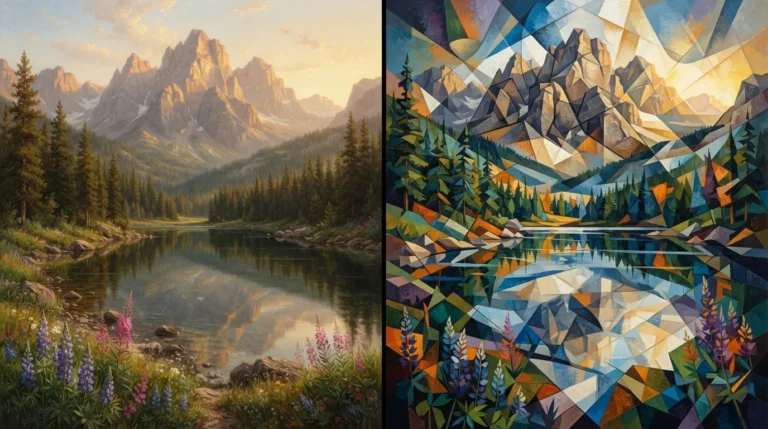
Modern portrait painting includes a wide range of approaches. Some artists work with photographic accuracy. Others distort or fragment their subjects to explore identity and psychology in ways that a straightforward appearance cannot.
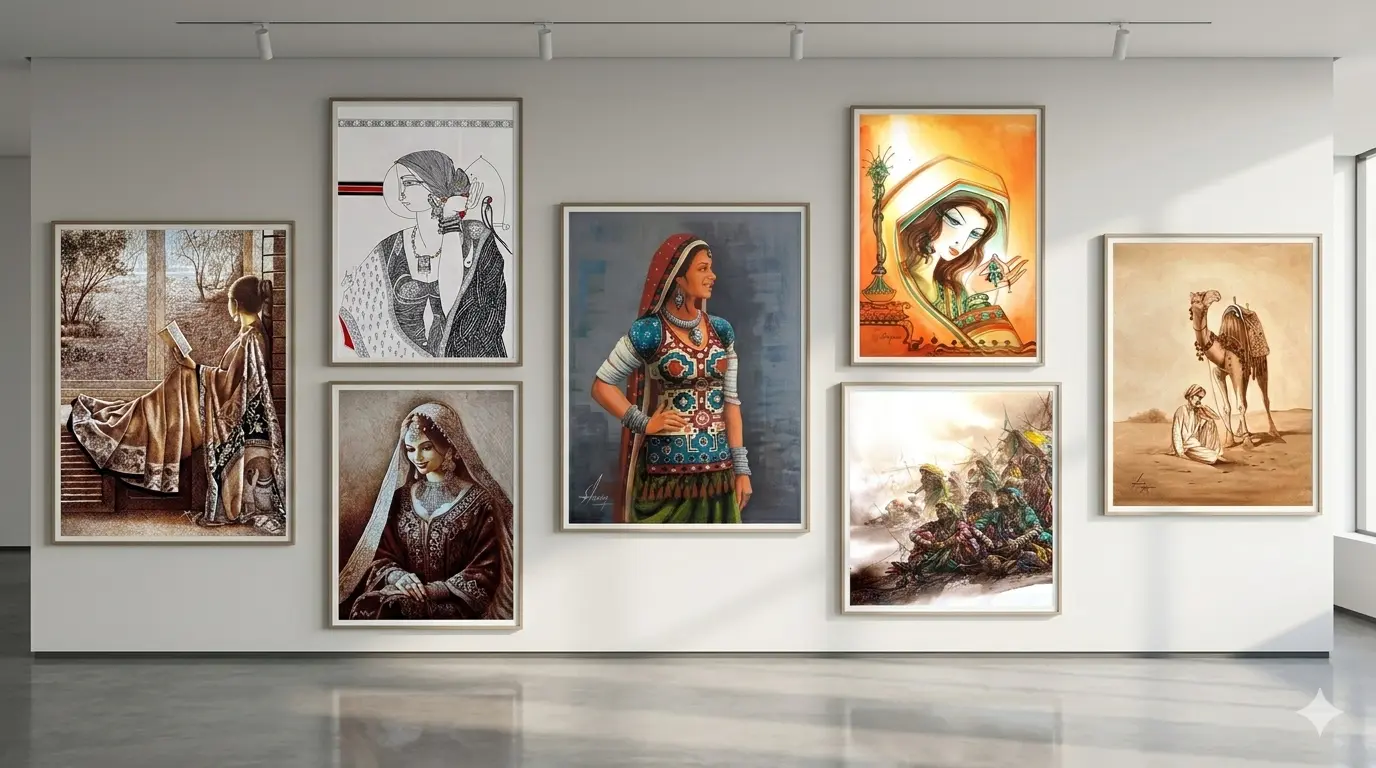
Contemporary portrait painting is deeply engaged with questions of identity, cultural heritage and personal narrative. Portraiture artists from diverse backgrounds are using the genre to tell stories that classical European portraiture mostly ignored. That makes the work of today’s portrait artists some of the most culturally relevant art being made anywhere today. For collectors, this relevance adds real depth to the appeal of acquiring original contemporary portrait painting pieces.
Abstract Portrait Art and Its Growing Appeal
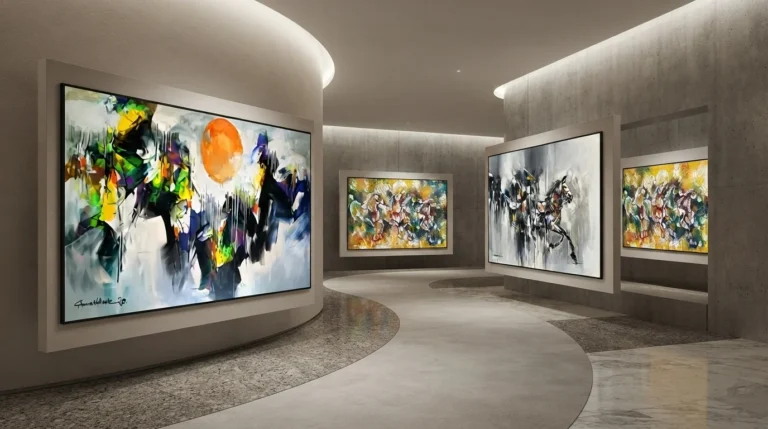
The most experimental direction of the genre is abstract portrait art. Representational likeness gives way to expressive gesture and fragmented form and emotional color. It’s not going to get a copy, but to tell you something basic about presence, about inner life.
Those who collect abstract portrait art want pieces that work as serious fine art, not as documentation. They have a visual energy and willingness to feel that sometimes more representational portraits don’t have. They also work well in modern interiors where bold visual character is desired over decorative safety.
Portrait Paintings as a Meaningful Choice for Home Interiors
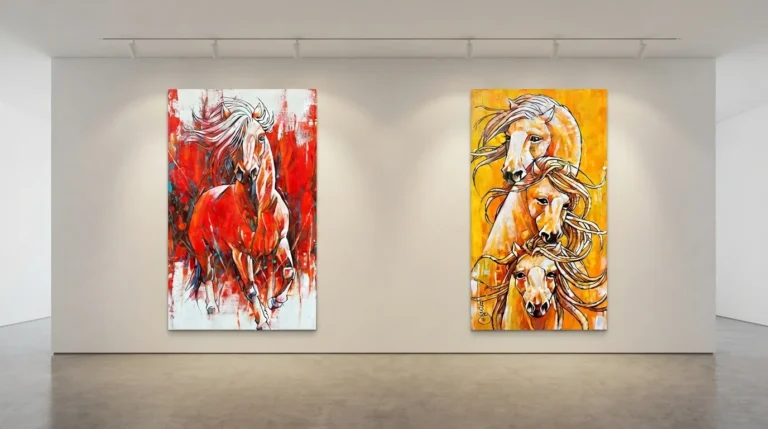
There is something that very few other subjects in art can bring into a home like a portrait painting. They bring human presence into a space in a direct, personal way. A carefully selected portrait will become a focal point, drawing the eye and holding the attention. Whether it is a classical oil painting, a loose watercolor portrait painting or an expressive abstract portrait art piece.
How to Choose Portrait Paintings for Your Home in Pakistan
When selecting portrait paintings for your home, think about the mood you want the room to carry. A formal oil portrait suits a traditional sitting room. A loose contemporary portrait painting works beautifully in a modern living space or bedroom. Scale matters too. A large canvas portrait painting makes a confident statement on a main wall, while smaller works suit studies, hallways, or grouped arrangements. Expert Framing Art Gallery offers professional framing guidance and original portrait works to help you find and display the right piece.
Frequently Asked Questions About Portrait Paintings
Q. What Is a Portrait Painting?
A portrait painting is a work of art that captures the face, personality and emotional presence of a human subject. It is more than simply true to visual fact, it is expressive of personality and inner life by means of paint, composition, light and colour working together as a single entity.
Q. What Is a Portrait Painting in Art?
Portrait painting has been used in fine art for centuries to record identity, status and psychological depth. it has grown from the formal documentation of rulers and nobility into one of the most expressive and conceptually rich genres in the visual arts around the world.
Q. What Makes a Good Portrait Painting?
A good portrait painting balances between the accuracy of likeness and the authenticity of emotions. The artist’s handling of light and colour temperature and brushwork all contribute to whether the subject feels alive and present on canvas, rather than simply recorded with technical expertise.
Q. What Are the Most Famous Portrait Paintings in Art History?
Some of the most famous portrait paintings are Leonardo’s ‘Mona Lisa’, Vermeer’s ‘Girl with a Pearl Earring’, Rembrandt’s self-portraits and Velázquez’s ‘Las Meninas’. They are each landmarks in the history of portraiture’s ability to capture human presence, psychology, and the constant depth of being seen.
Q. Which Medium Is Best for Portrait Painting?
Oil has the richest blending and tonal depth. Painting with acrylics gives you bright colors and dries quickly. Watercolor painting creates warm, soft results with a freshness that only this medium can achieve. Each has its own benefits and the final choice depends mainly on the artist’s working style.
Q. What Is Abstract Portrait Art?
Abstract portrait art is not about accurate appearance but about using expressive form, color, and gesture to communicate the essence of a human subject. The focus is on the emotional character and inner presence, not on the realistic visual portrayal of the person’s physical appearance.
Q. How Is Contemporary Portrait Painting Different From Classical Portraits?
Contemporary portrait painting engages with identity, cultural diversity, and personal narrative in ways classical portraiture rarely did. Contemporary artists play with style and concept to ask the question of what it means to be seen, not just to document outward appearances of the subject.
Q. Are Portrait Paintings a Good Investment for Collectors?
The real long term value is in original portrait paintings by skilled artists. Collecting a work is influenced by artistic quality, medium, originality and cultural relevance. A meaningful personal acquisition and a good creative investment is a wisely chosen portrait by an established or emerging artist.
Q. Can Portrait Paintings Work in Modern Interior Design?
Yes, Abstract portrait works and modern portrait painting are ideal to contemporary interiors. The trick is to make the portrait’s style and energy fit with the overall character of the room. Loose, expressive or abstract pieces work especially well with minimalist and modern spaces.
Q. How Should Portrait Paintings Be Framed and Displayed?
A bonus for canvas portrait painting is a frame which improves the work without taking anything from it. Size, how the portrait is hung on a wall and the lighting all affect how it reads in a room. Professional framing makes sure every little detail is treated with the care that the artwork truly deserves.
Q. Where Can I Find Quality Portrait Paintings in Pakistan?
Expert Framing Art Gallery is the place to be for art lovers in Pakistan looking for original portrait paintings, featuring a curated selection of fine portrait works in varied styles, mediums and subjects all presented with professional framing to show them at their best.
Final Thoughts
Portrait paintings are popular because they hit on something that every viewer understands. Few other art forms can cross time and culture with the skill and feeling of a face painted with the kind of artistry and sincerity. Whether you’re drawn to the richness of classic portrait art, the gentle touch of watercolor portrait painting, or the vibrant spirit of abstract portrait art, there’s a portrait out there that will connect with you personally and add a real touch of character to your home.In Pakistan, original portrait paintings have emotional depth, artistic quality and a lasting visual presence for collectors and homeowners. Expert Framing Art Gallery is a trusted place to find portrait works that truly deserve a place on your wall and the professional framing to go with it.