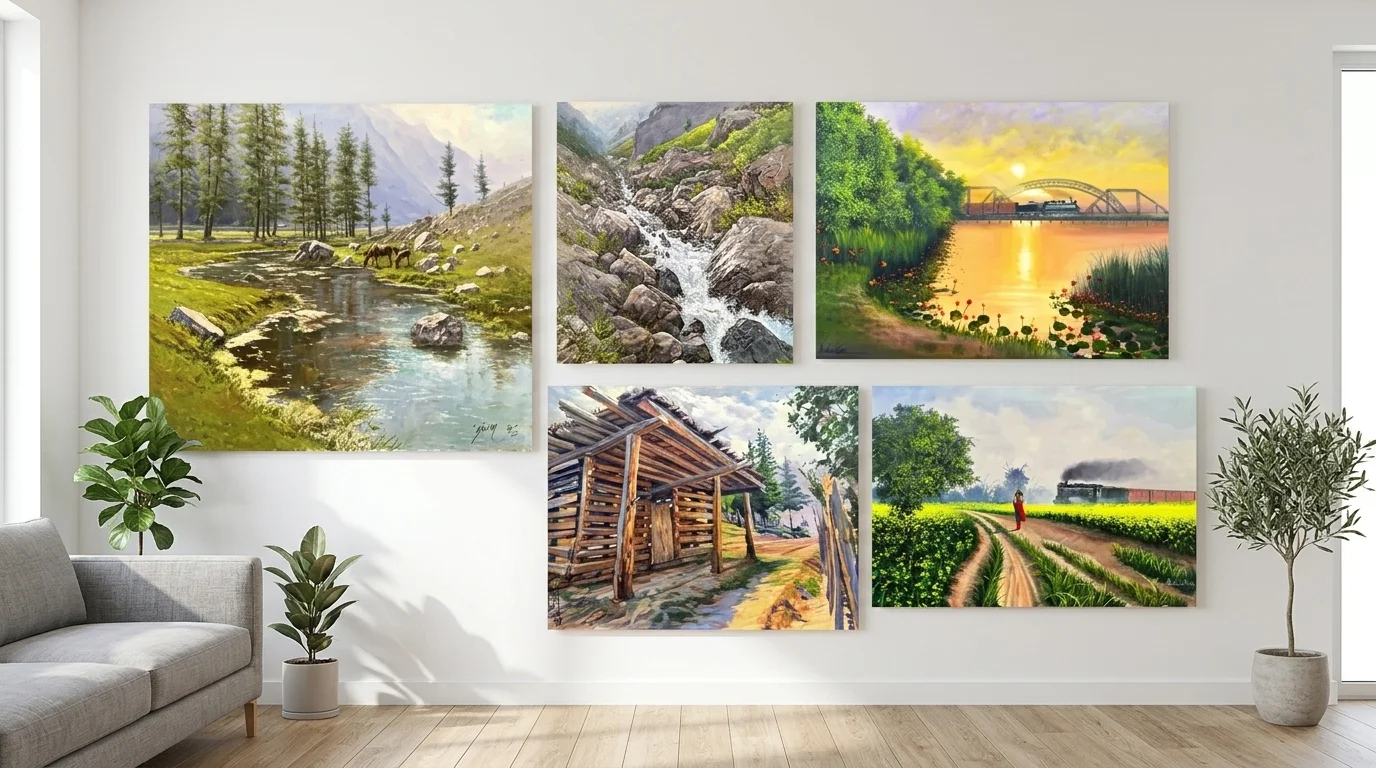

The right nature paintings can completely change how a room feels. A carefully chosen landscape above a sofa, a soft watercolour scene in a bedroom or a bold abstract forest piece in a hallway all add something different to a space. Most people don’t realize the amount of thought that goes into this choice. Subject, scale, colour and medium all contribute to whether a nature painting will truly lift a room, or just fill a gap in the wall. This blog walks through everything you need to consider before buying.
What Is Nature Art and Why Do People Feel So Drawn to It
Any art that has the natural world as its main subject is nature art. From all cultures and all ages artists have painted trees, mountains, water, skies, plants and open landscapes. The appeal is consistent and deep. The home is a place where natural scenes is likely to create a sense of calm that other subjects often achieve.
Studies have shown from time to time again that people are less stressed in rooms with natural images on the walls. And it’s not just a matter of taste. There is a genuine restful quality in being surrounded by representations of the natural world, especially in cities where direct contact with nature is limited.
What Is the Concept of Nature in Art?
The idea of nature in art has been viewed differently over the centuries. For Renaissance painters, nature was a stage for human activity. For the Romantic movement, it provided a source of spiritual power and emotional intensity. It was the vehicle for studying light and atmosphere for the Impressionists.
Today nature continues to operate in many artistic traditions at once. Artists paint it literally, abstractly, symbolically and emotionally. This variety means buyers can choose from a remarkable range of approaches when deciding on nature art for their homes.
What Is Nature Art Called Across Different Styles?
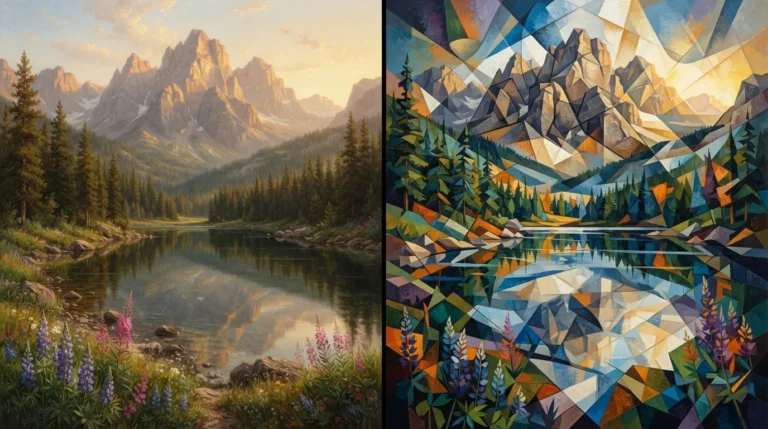
What nature art is called depends on the particular approach. Landscape painting is a painting of landscapes in art. Naturalism art is a realistic and observant way of presenting the natural world. Nature abstract art is based upon natural subjects but describes rather than literally shows them through colour and gesture. Scenery paintings is a broad, more informal term covering any painted view of a natural or outdoor setting.
Understanding the Different Types of Nature Paintings Before You Choose
A nature painting is not a single thing. The category covers a wide range of styles, mediums, and compositional approaches. Understanding the differences between them helps you choose with much more confidence and end up with a piece that genuinely suits your space and your taste.
What Is Landscape Painting and How Does It Differ From Other Nature Art?
Landscape painting is a term that refers specifically to work that is concerned with outdoor environments such as mountains, forests, open fields, rivers and skies. One of the oldest and most practiced genres in the history of fine art. Landscape painting is different from botanical illustration, which focuses on showing individual plants, or from still life nature art, where natural objects are placed and painted in an interior setting.
Landscape paintings are defined by a sense of depth in space and atmosphere. They draw the viewer into the scene, rather than simply presenting a natural subject for observation.
Naturalism Art and the Realistic Depiction of the Natural World
Naturalism art is a type of art that is based on close observation and accurate representation of what the artist sees. Colours, textures, and light conditions are shown as faithfully as possible. This method often results in work that seems rooted and realistic. Naturalist nature paintings offer a calming visual truth to those buyers who struggle to connect with abstract or casually painted work.
How to Match Nature Paintings to Your Home’s Colour Palette
One of the most common decorating mistakes is choosing a nature art painting without matching it to the existing colours of your room. A painting with warm earth tones will clash with a room dominated by cool greys and steel blues, no matter how beautiful it is on its own.
Tips for matching nature paintings to your interior colour palette:
- Identify the two or three dominant tones in the painting before anything else
- Check whether those tones are warm or cool and match them to your wall paint’s undertone
- Use a neutral frame finish to bridge any minor colour gap between the painting and the room
- Test the artwork in the actual room and under the room’s lighting before making a final decision
Choosing the Right Size: Nature Canvas Painting and Wall Scale
A nature canvas painting that is too small for its wall that visually disappears. One that is too big will fill up the space, making the room feel unbalanced. Matching the scale to the wall size is one of the most practical decisions you’ll make in the whole buying process.
How to Hang Nature Wall Painting for Maximum Visual Impact
Nature wall painting generally looks best when the centre of the piece sits at roughly eye level, around 145 to 150 centimetres from the floor. Above a sofa, leave a gap of around 20 to 30 centimetres between the top of the sofa and the bottom of the frame. This connects the painting visually to the furniture beneath it rather than leaving it floating on the wall.
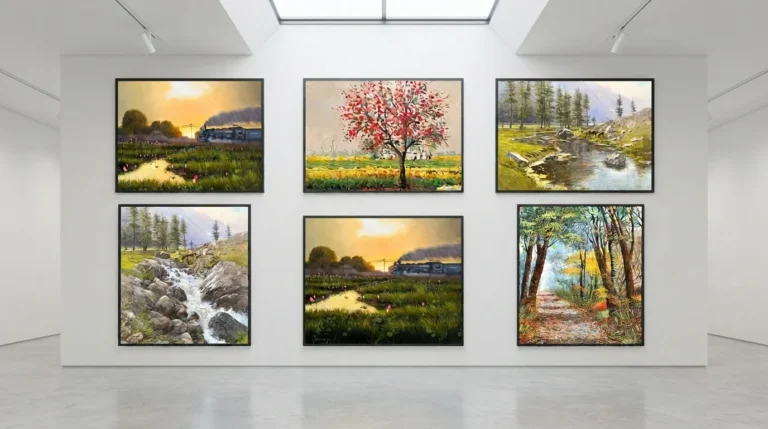
Wide walls, particularly in hallways or dining areas, can be just as effective with several smaller pieces grouped together as they can with one large work.
Beautiful Paintings of Nature: What to Look for in a Quality Work
Beautiful paintings of nature are not simply accurate ones. Quality in a nature painting shows up in how the artist handles light, creates compositional balance, and communicates a mood rather than just documenting a scene.
Visual qualities to look for in beautiful paintings of nature:
- Clear light direction to give realistic shadow to the scene and add depth
- Atmospheric perspective that makes distant things feel distant
- Variety in colour temperature, not just green trees but warm and cool greens in relationship
- Definite horizon position, which defines the ground and sky of the composition
- An overall emotional tone, calm, aggressive, peaceful, energetic, that feels intentional
Handmade Paintings of Nature Versus Printed Reproductions
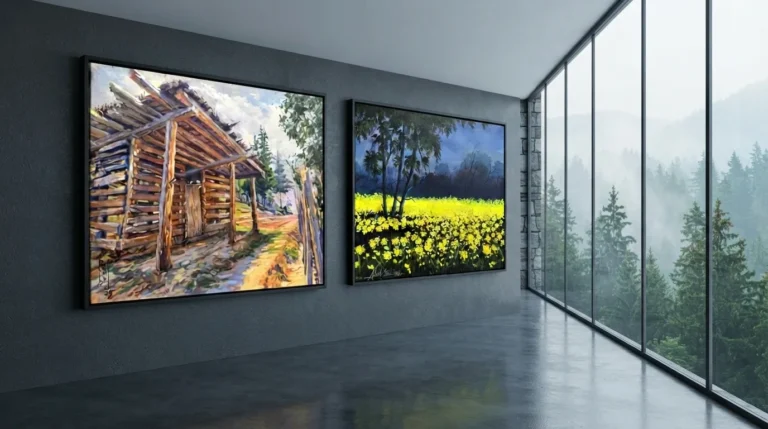
There’s something about handmade paintings of nature that a print just can’t. You can see the brushwork. Paint builds up physically on the canvas surface. The light hits those ridges differently depending on where you stand and the time of day. This gives a life like quality to a handmade nature painting that stays interesting through years of daily exposure.
Printed images of nature scenes can be attractive in photographs, but in person they can seem flat and static. The longer you live with a print, the more that flatness becomes visible. The longer you live with an original handmade piece the more you like to see and appreciate.
Nature Watercolor Painting and Landscape Paintings as Decor Choices
Nature watercolor painting brings out the softness and brightness that oil and acrylic work cannot fully replicate. Watercolour is transparent so the light can pass through the paint and reflect off the paper underneath creating a certain glow, which is most suitable for private rooms like bedrooms and studies.
Big walls can take more visual weight and sit more confidently with landscape paintings on canvas or board. A large oil landscape commands a wall in a way that a watercolour of the same subject might not. The choice between the two formats often comes down to the mood and scale of the room you are buying for.
Nature Abstract Art and Scenery Paintings for Contemporary Homes
Nature abstract art captures the feeling of a natural environment without depicting it literally. The forest is simply painted to express shade and depth and an impression of calm instead of trying to detail each tree. It goes well with modern interiors, as it creates interest without competing with the clean architectural lines or minimal furniture.
How Nature Abstract Art Works in Minimalist Interiors
In a minimalist room, a busy realistic landscape can feel like visual noise. A piece of nature abstract art with a limited colour range and open composition adds warmth and organic feeling without cluttering the space. Abstract scenery is especially effective in rooms where the architecture is the main design statement.
Nature Landscape Art and Nature Wall Art for Specific Rooms
Nature Wall Art and Nature Landscape Art are suitable for different rooms with different subjects. Choose a subject based on the function and mood of a room.
Kinds of nature paintings to match the room:
- Calm water scenes and soft horizons work well in bedrooms for a restful atmosphere
- Forest landscapes and mountain views suit living rooms where visual depth creates impact
- Floral nature art and botanical subjects add warmth and personality in dining spaces
- Abstract scenery paintings suit contemporary hallways where a fresh, energetic piece works best
Expert Framing Art Gallery offers a curated range of original nature paintings across these categories, along with professional framing guidance to help you display them properly.
Frequently Asked Questions About Nature Paintings
Q. What Is Nature Art Called?
Nature art is known by different names depending upon the style. The most common terms are landscape painting, scenery painting, naturalism and nature abstract art. Both take different approaches to depicting the natural world within the fine art and decorative traditions.
Q. What Is the Concept of Nature in Art?
In art nature is a subject, a source of spiritual meaning, and a vehicle for exploring light and atmosphere. The natural world has been seen in many different ways by various artistic movements, from accurate scientific depiction to emotional abstraction and anything in between.
Q. What Is Landscape Painting?
Landscape painting is a genre of painting that shows natural scenery such as mountains, forests, rivers, fields and sky. It is one of the oldest and most enduring genres in the history of fine art and has always been valued for its ability to communicate depth, atmosphere and emotion.
Q. How Do I Choose a Nature Painting for a Small Room?
For small rooms, opt for nature paintings that have lighter color palettes and open compositions. The vertical formats draw the eye upwards, so the ceilings look taller. Small canvases are better than big ones. A big canvas can look huge in a small space, making it seem even smaller.
Q. Are Handmade Nature Paintings Worth More Than Prints?
Yes, handmade paintings of nature carry greater artistic and long-term value than prints. They give a texture and a depth of colour and uniqueness which printed reproductions cannot. Resale value. Original handmade work can increase in value over time, but prints generally do not.
Q. What Colours Work Best in Nature Paintings for Pakistani Homes?
Nature paintings in earthy greens, warm ochres, soft dusty blues and neutral sandy tones match the common interior palettes in Pakistani homes. These colours go with both traditional and contemporary local decor styles without creating visual tension with existing furnishings.
Q. Can Nature Watercolor Paintings Work on a Feature Wall?
Yes, nature watercolor painting well on a feature wall if it is chosen at the right scale and framed correctly. A large watercolour in a confident frame has enough visual weight to anchor a feature wall, especially in bedrooms and sitting rooms with lighter wall tones.
Q. What Is the Difference Between Scenery Paintings and Landscape Paintings?
Scenery paintings is a more general, more casual term for any painted view of an outdoor or natural setting. Landscape paintings are a more specific tradition in fine art, with established compositional rules about depth, horizon, and atmosphere that separate them from more general scenic views.
Q. Where Should I Hang Nature Wall Art in My Home?
Hang nature wall art at eye level with the centre of the piece about 145 to 150 centimetres from the floor. Nature-themed artwork in the home works particularly well above sofas, across from windows to catch natural light, down hallways and above beds.
Q. What Is Naturalism Art in Painting?
Naturalism art is a painting style that focuses on the careful, detailed observation of the natural world. It is not like impressionism, which records atmosphere and not detail; nor like abstraction, which defines and not presents. Naturalism produces work that feels believable and grounded in direct visual observation.
Q. Is Nature Abstract Art a Good Fit for Traditional Pakistani Interiors?
Yes, with some thought to colours. Nature abstract art in warm tones and earthy palettes, and botanical subject matter, is great with traditional elements of decor. The trick is to select abstract work where the colour relationships feel familiar and warm, rather than stark or aggressively contemporary.
Q. Where Can I Find Quality Nature Paintings in Pakistan?
Art lovers in Pakistan can explore Expert Framing Art Gallery for original nature paintings across a wide range of styles, subjects, and mediums, along with professional framing services to help display each piece at its very best.
Final Thoughts
Choosing the right nature paintings for your home is more than a decorating decision. Subject, style, scale, and colour all interact to determine whether a piece genuinely enhances the room or simply occupies wall space. A carefully chosen landscape, watercolour, or abstract nature piece brings something lasting to a home, a daily connection to the natural world that good decor alone cannot provide.
Expert Framing Art Gallery is a trusted starting point for finding original nature paintings suited to Pakistani homes, with the framing expertise to present each piece exactly as it deserves.