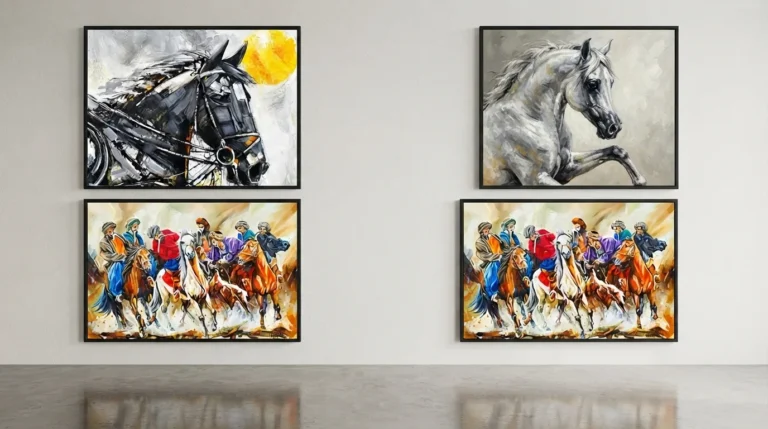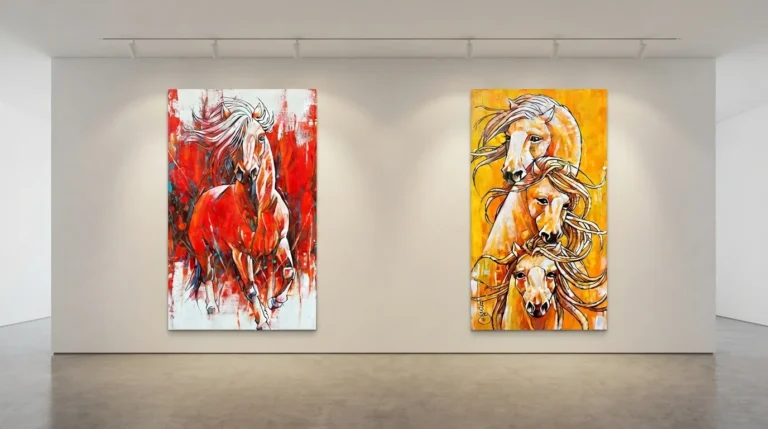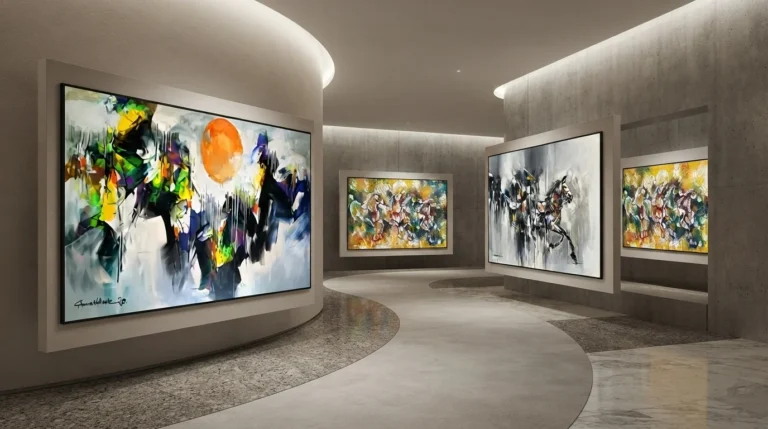
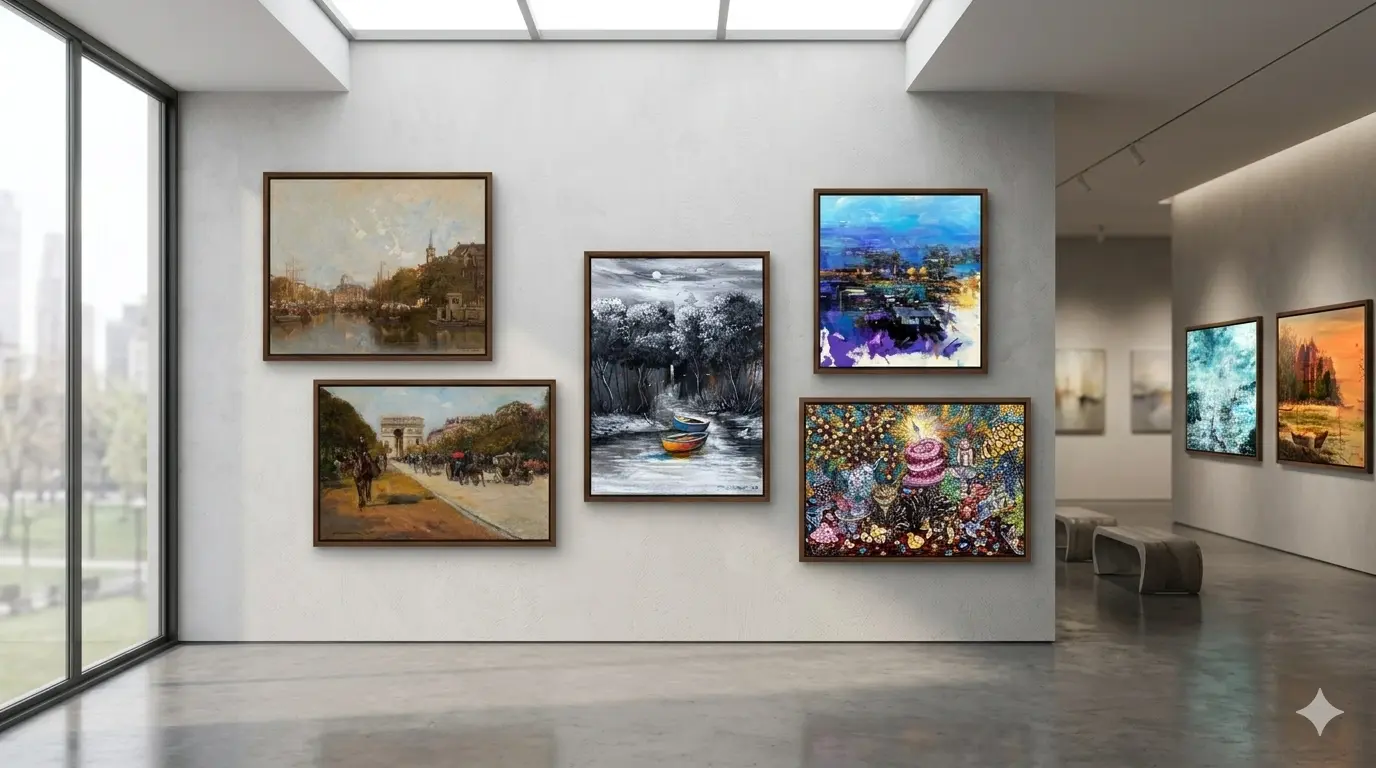

You are in front of a big impressionism art painting and something strange happens. It doesn’t feel like you’re looking at a finished scene. You feel as if you’ve just caught a glimpse of something that is already passing, the light changes, the water moves, the whole painting seems to breathe. That is not a coincidence. This is what impressionist artists were trying to do. In this blog we’ll take a look at impressionism art, what it is, where it originated, what makes it so recognizable and why it remains one of the most beloved styles in fine art and home decor today.
What Is Impressionism Art and Why Did It Change Everything
Impressionism art is really a simple idea at heart. Impressionist artists painted their immediate visual experience of a subject rather than a precise, finished detail of it. They were interested in how something looked in a specific moment, in a specific light, rather than how it would look in a textbook example.
This was a real break from all that had gone before. In the nineteenth century, academic painting prized smooth surfaces, historical subjects and careful detail. Impressionism art threw most of that out and focused on sensation, atmosphere and honest truth of a passing moment.
What Defines Impressionism in Art?
Impressionism in art is a focus on light, color, and movement rather than on exact form and finish. Impressionist artists observed how natural light changed the appearance of everything around them and tried to capture those changes directly on canvas.
They worked quickly and in visible brushstrokes. The paint was put on in short, separate dabs, not smoothed out. This method gave a sense of movement and life hardly attained by the traditional painting.
What Best Describes Impressionism?
Impressionism is the idea of painting a feeling, not a fact. If a realist painter showed you what a garden looked like an impressionist painter showed you what it felt like to stand in the garden on a warm afternoon with the light coming through the leaves.
It’s not so much accuracy as it is sensation. Some of the work is done by the eye and brain of the viewer, which fill in the detail from the loose brushwork and color relationships the artist has established.
The History of Impressionism in Art and How It Began
The history of impressionism in art begins in France in the early 1870s. A number of young painters including Claude Monet, Pierre-Auguste Renoir, Edgar Degas and Camille Pissarro, were frustrated with the conservative standards of the official Paris Salon. They started painting out of doors, from life, and developed a looser, natural technique.
In 1874 they held their own independent exhibition. The critics were generally dismissive. One critic, having seen Monet’s painting, “Impression, Sunrise”, spoke the word “impressionist” in derision. The label was taken up by the artists themselves and the movement had its name.
How the History of Impressionism Shaped Modern Art
The history of impressionism in art is also the history of how modern art was made. Not before impressionism was the idea of an unfinished looking painting, of visible brushstrokes being acceptable, of ordinary daily life being a worthy subject, widely accepted.
Impressionism broke those conventions forever. It laid the foundation for post impressionism, fauvism, expressionism and finally abstraction. But the impressionists, the whole development of impressionism and modern art as related traditions would have been quite different.
Impressionism Art Characteristics That Make It So Recognisable
The impressionism art characteristics that define the movement are consistent and recognizable once you know what to look for. They also give impressionist paintings the particular warmth and energy that viewers respond to so strongly.
Knowing these characteristics can help both art lovers and collectors appreciate the skill and intent that goes into a true impressionist work.
What Are the Five Characteristics of Impressionism?
The five core impressionism art characteristics are:
- Loose, visible brushwork applied in short dabs or strokes rather than smoothly blended across the surface
- Emphasis on natural light and how it changes color, tone, and mood across different times of day and seasons
- Everyday subject matter including landscapes, gardens, cafes, rivers, and ordinary people going about their lives
- Painting outdoors directly from observation to capture the immediate and changing quality of a real scene
- A specific moment in time captured with the feeling that everything in the image is still in motion
Impressionism Painting and the Art of Capturing Light
Almost every impressionism painting has light as its real subject. The impressionists were fascinated by the way light changed every object it touched. A haystack at dawn is not like a haystack at midday or at dusk. Monet did the same subject over and over again at different times of day, not because he was out of ideas but because the light was always a new subject.
This obsession with light is what gave impressionism painting its characteristic warmth and shine. Colors were placed side by side, not mixed heavily on the palette, which created a vibrating, lively quality on the canvas surface.
What Is Impressionism Painting and How Does It Work?
In technical terms impressionism painting is just a few key decisions. The artists used broken colour, placing little dabs of different shades next to each other so the viewer’s eye would mix them when viewed from a distance. They worked quickly to catch changing conditions before the light was changed.
They also painted outside whenever possible. This practice is called plein air painting and it is what gave the impressionism paintings their authentic sense of natural atmosphere that studio based academic work often lacked.
Famous Impressionist Paintings That Defined the Movement
Famous impressionist paintings are among the most recognized artworks in the world. They appear on the walls of museums, in textbooks, and in homes of every continent. Their continued popularity speaks to something important in our relationship to light, color, and the beauty of everyday moments.
What Are the Most Famous Impressionist Paintings?
What are the most famous impressionist paintings is a question with several strong answers:
- “Water Lilies” series by Claude Monet captures reflections and light on the surface of his garden pond with extraordinary color sensitivity
- “Dance at Le Moulin de la Galette” by Renoir depicts a lively outdoor gathering with warmth, movement, and joyful energy
- “A Sunday on La Grande Jatte” by Georges Seurat uses a pointillist technique to build a scene of Parisian leisure with remarkable detail
- “The Ballet Class” by Edgar Degas captures dancers in practice with an informal, observational quality that feels almost photographic
What Is the Most Famous Impressionist Art?
Monet’s “Water Lilies” series, painted over a period of more than two decades at his home in Giverny, is perhaps the most famous impressionist art. Today, the massive panels that fill entire rooms at the Orangerie museum in Paris are among the most visited works on the planet. They are the purest form of the impressionist approach, where the subject nearly melts into pure light and color.
Impressionist Paintings and the Subjects Artists Loved Most
Impressionist paintings returned again and again to a particular set of subjects. Gardens, rivers, beaches, cafes, dancers, railway stations and city boulevards kept coming up, over and over, through different artists and decades. These subjects were chosen because they offered constantly changing light and movement.
Why Impressionist Paintings of Everyday Life Feel So Intimate
The close connection of impressionist paintings comes from the subject matter and the way they approach the subject. Neither Renoir’s friends in a cafe, nor Morisot’s woman reading by a window, were acting or posing for the picture. They were true experiences of life, seen and painted with true affection.
That quality is part of why impressionism paintings feel so welcoming to live with. They do not demand anything from the viewer. They simply invite you in.
Impressionism and Modern Art and the Connection Between Eras
Impressionism is a direct parent of modern art. Impressionism created a number of ideas on which all that followed was based. The most important was that a painting could express the artist’s personal perception rather than an objective record of reality.
How Impressionism Influenced the Direction of Modern Art
Impressionism and modern art are connected through a clear line of artistic development. Post-impressionists like Cézanne, Van Gogh, and Gauguin built directly on the impressionist foundation while pushing further into personal expression and structural experimentation.
The Fauves took the Impressionist interest in color and expanded it to pure emotion. Expressionism took the idea of subjective perception into the psychological realm. Eventually abstraction stripped away the subject altogether, leaving only color, form, and feeling. All these developments are rooted in what the impressionists started.
Abstract Impressionism Paintings and the Expressive Edge of the Style
Abstract impressionism paintings take the core impressionist interest in light, atmosphere, and sensation and push it beyond representation altogether. The subject is missing but the feeling remains. Color, texture and gestural markings stand in for recognizable visuals.
Why Abstract Impressionism Paintings Appeal to Contemporary Collectors
Abstract impressionism paintings attract collectors for their emotional depth and visual energy. They have the warmth and color sensitivity of the impressionist tradition, but are completely modern in their approach.
Abstract impressionism paintings have a very compelling position for collectors wanting work that relates to art history, but also feels fresh and contemporary. They reward attention. And work in a wide range of interior settings.
Impressionism Art in Home Interiors and Modern Decor
Impressionism art is one of the most naturally suited styles for home interiors. The soft color palettes, atmospheric quality, and familiar subject matter of impressionism paintings complement almost any decorating style, from traditional to minimalist to contemporary.
A carefully selected impressionism painting will add warmth and visual depth to a room without demanding it. The loose brushwork and glowing color give the wall a life that flat prints and photographic reproductions can never equal.
How to Choose Impressionist Paintings for Your Home in Pakistan
When selecting impressionism paintings for your home, start with the mood you want the room to carry. Water views and garden subjects bring peace and simplicity. Cafe and figure scenes add warmth and human presence. Coastal landscapes suit rooms with natural light and neutral tones.
Scale matters too. A larger impressionism painting works beautifully as a living room focal point. Smaller works suit bedrooms, studies, or grouped arrangements on a gallery wall. Expert Framing Art Gallery offers both original impressionist works and professional framing advice to help you display them in a way that genuinely does them justice.
Frequently Asked Questions About Impressionism Art
Q. What Is Impressionism Art?
Impressionism art is a painting movement that began in France in the 1870s. It is about painting an immediate visual impression of a moment in time with loose brushwork, natural light, and ordinary subject matter rather than precise realistic detail or academic finish.
Q. What Defines Impressionism in Art?
In art, Impressionism is defined by its focus on light, colour and the fleeting nature of a particular moment. Impressionist artists painted with visible brushstrokes and directly from observation, and they preferred personal sensory experience to accurate and finished representation.
Q. What Best Describes Impressionism?
Impressionism is the art of doing something with the sensation, not the fact. It captures that feeling of a scene in a certain light at a certain moment, and creates works that feel alive and temporally specific, rather than fixed and detailed as traditional academic painting.
Q. What Is Impressionism Painting?
Impressionism Painting uses short broken brushstrokes, naturalistic color and the observation of the natural outdoors to create the changing quality of light and atmosphere. The goal is to achieve an immediate visual impression not an accurate or complete record of the subject.
Q. What Are the Most Famous Impressionist Paintings?
The most famous paintings by the impressionists are Monet’s Water Lilies, Renoir’s Dance at Le Moulin de la Galette, Degas’s The Ballet Class and Seurat’s A Sunday on La Grande Jatte. They are a different form in the movement and still a milestone of art history.
Q. What Are the Five Characteristics of Impressionism?
Impressionism art has five main features: loose visible brushstrokes, natural light, everyday subject matter, outdoor observational painting, and the capturing of a particular atmospheric moment rather than a timeless or static scene.
Q. What Is the Most Famous Impressionist Art?
Monet ‘s ” Water Lilies ” series is generally regarded as the most famous impressionist art. These huge paintings, displayed in the Orangerie museum in Paris, draw millions of visitors and are the full expression of the impressionist approach to light, color and atmosphere.
Q. How Did Impressionism Influence Modern Art?
Impressionism and modern art are one and the same. Impressionism validated personal perception as a subject for art, which led to post-impressionism, fauvism, expressionism and abstraction. It literally changed art from being a record of things to be seen to a record of the individual.
Q. What Is Abstract Impressionism in Painting?
Abstract impressionism paintings go beyond recognizable subject matter to extend the impressionist concern with atmosphere and sensation. Artists use color, texture and gestural marks to create mood and sensory experience, without making anything specific or representational.
Q. Are Impressionist Paintings a Good Choice for Home Decor?
Yes, impressionist paintings is one of the most flexible and timeless decor options. The warm color palettes, atmospheric qualities and familiar subject matter are suitable for many interior styles, creating a truly welcoming visual presence in any room.
Q. Can Impressionism Art Work in Contemporary Pakistani Interiors?
Impressionism art is a great fit for modern day Pakistani interiors if the right subject and color palette are chosen. The natural landscape subjects, garden scenes and water-based compositions are in harmony with modern and traditional decorating styles found in Pakistani homes.
Q. Where Can I Find Quality Impressionist Paintings in Pakistan?
Art lovers in Pakistan looking for original impressionism art can explore Expert Framing Art Gallery, which offers a curated selection of fine impressionist works across a range of subjects and styles, along with professional framing services to present them at their very best.
Final Thoughts
Impressionism art continues to live because it captures something that is never out of style. It’s the beauty of a daily moment, viewed in the right light, at the right time, sketched with a sincere feeling. It’s a quality that instantly connects with audiences of all cultures and all generations without explanation. Impressionism paintings add a touch of warmth, color and visual life to any interior space for collectors as well as home-owners in Pakistan. Whether it’s the charm of classic landscape subjects, the intimacy of figure paintings, or the expressive energy of abstract impressionism paintings, there’s an impressionist piece that will feel right at home on your wall. Expert Framing Art Gallery is a trusted place to find and frame original pieces that genuinely capture that fleeting, beautiful quality impressionism does so well.